

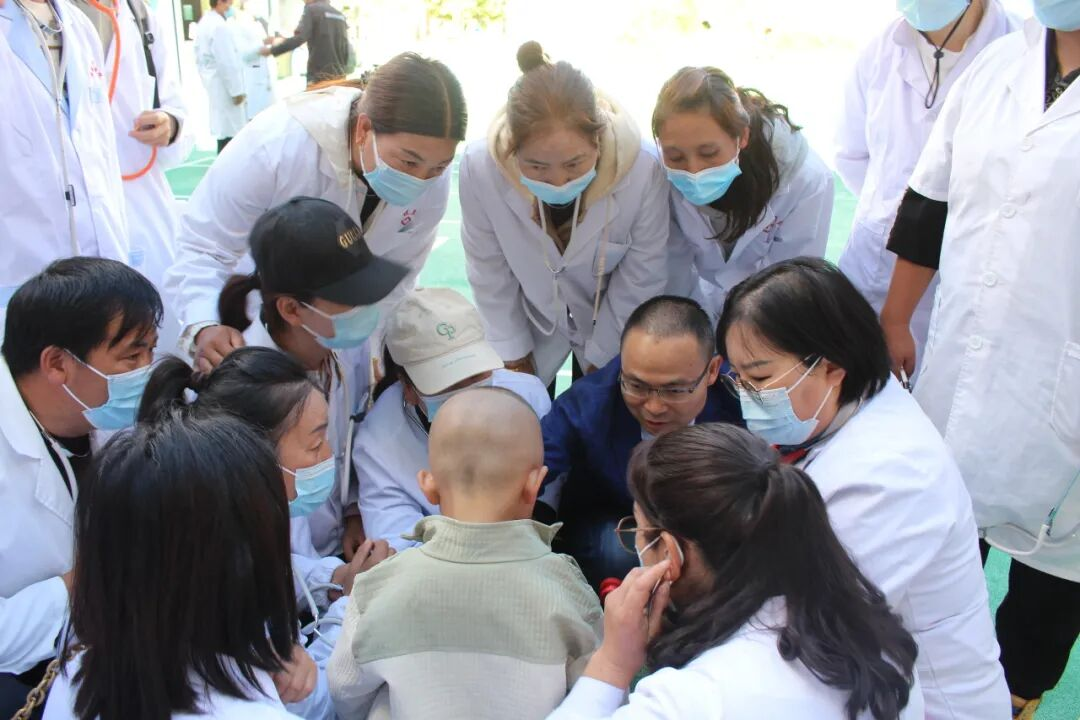
In the heart of the Qinghai-Xizang Plateau in southwest China, at an altitude of more than 4,500 meters, winters are harsh and the air is thin. During a school-based medical screening in Nagqu City, doctors from the Sixth Medical Center of the PLA General Hospital leaned in to listen carefully to the heartbeat of a local child. When the diagnosis of congenital heart disease was confirmed, the child’s mother burst into tears.
What she did not yet know was that, thousands of kilometers away, a public welfare initiative known as Heart Action had already put in place a complete pathway for children like hers, from early screening and professional diagnosis to surgery in Beijing, with all medical expenses covered.
Moments like this have become part of the daily work of Heart Action, a flagship charity program of the CHN Energy Foundation, over the past fifteen years.
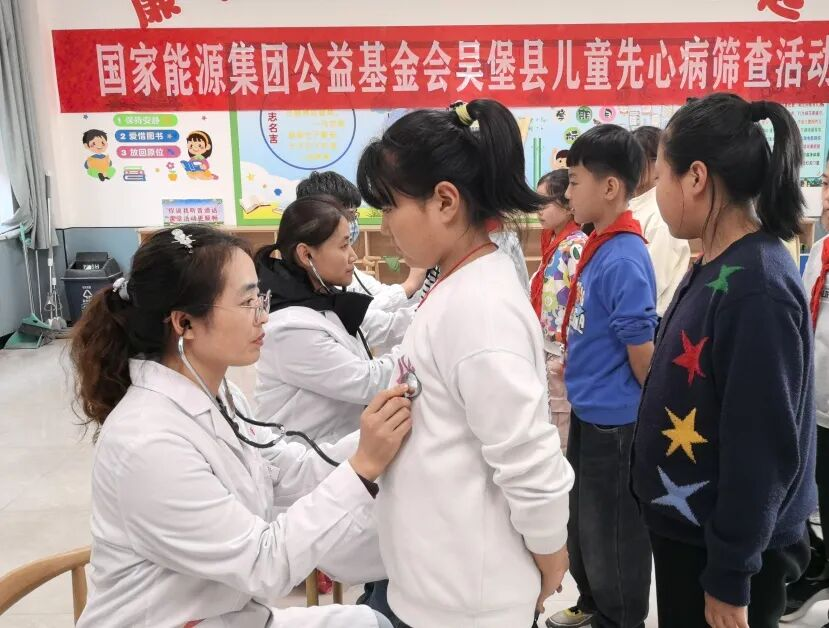
Launched at the end of 2010, Heart Action focuses on two major childhood illnesses — congenital heart disease and leukemia — providing medical assistance to children aged 0 to 18 from disadvantaged families. To date, the program has reached 2,218 counties across 31 provinces, autonomous regions and municipalities, helping 37,713 children, including 32,684 with congenital heart disease and 5,029 with leukemia.
In an archive room at the foundation’s office in Beijing, more than 30,000 case files are neatly stored. Each one represents a family whose future took a different turn. In a funding application submitted in 2025, a father from Tangshan wrote simply: “We sincerely thank CHN Energy for its help. This kindness will stay with us forever.”
Heart Action grew out of CHN Energy’s long-standing effort to align corporate development with public well-being. The CHN Energy Foundation was established in July 2010. That December, with support from the Ministry of Civil Affairs, the National Health Commission and the State-owned Assets Supervision and Administration Commission of the State Council, Heart Action was launched as the foundation’s first major charity initiative.
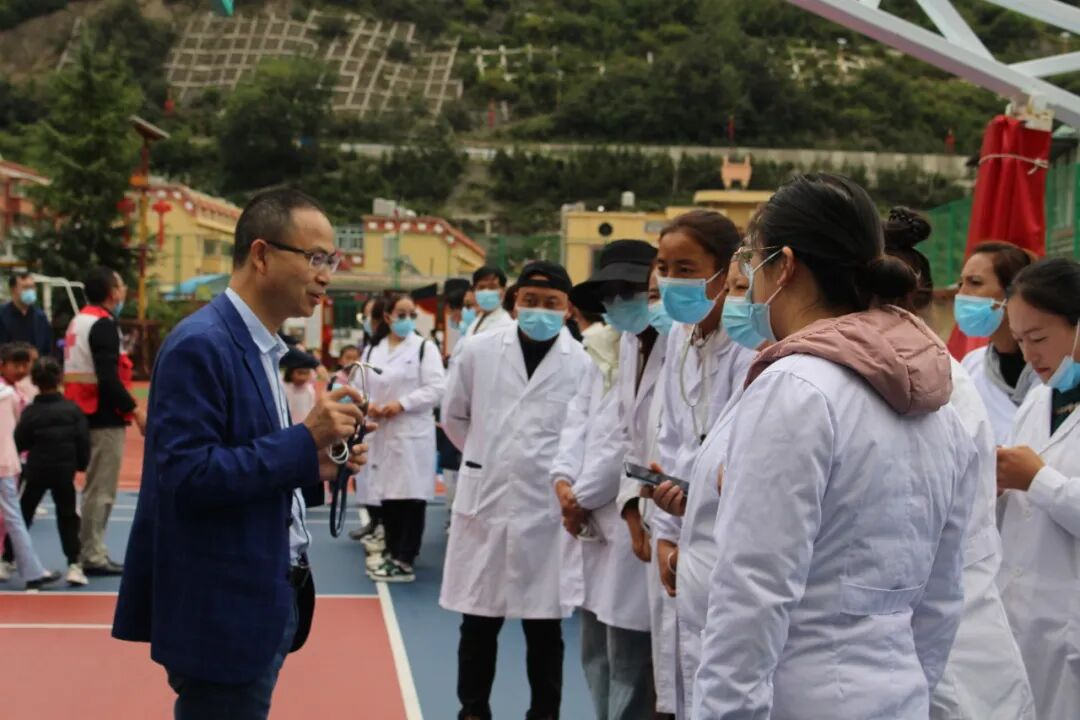
Working with organizations including the China Association of Social Workers and the China Charity Federation, the program built a nationwide network linking nearly 100 top-tier hospitals, creating a cross-regional system to treat serious childhood diseases.
In its early years, assistance was mainly provided through hospitals. Over time, the team realized that many children in remote areas were unable to reach medical care on their own. The program therefore shifted its focus forward — from waiting for patients to arrive, to actively seeking them out through screening.
Ye Weihua, director of pediatric cardiac surgery at the Sixth Medical Center of the PLA General Hospital, has been involved since the early days. Over more than a decade, he has led his team on more than 40 screening missions to high-altitude regions such as Xizang and Qinghai.
“On the plateau, many of us have to rely on oxygen tanks just to complete examinations,” Ye said. “But stopping is not an option.”
He recalls that during a screening in Lhasa in 2014, his team identified 184 children with congenital heart disease. By 2023, only 18 cases were found in the same area. “That is the value of proactive screening,” he said. “Problems are identified earlier, and severe cases are reduced.”
In 2015, Heart Action piloted free neonatal screening for congenital heart disease in parts of Hebei and Shaanxi, screening nearly 140,000 children. In 2019, the program expanded to nine counties receiving paired assistance or designated support from CHN Energy. In high-incidence areas such as Xizang, 4,350 children have been screened, with 107 patients successfully treated.
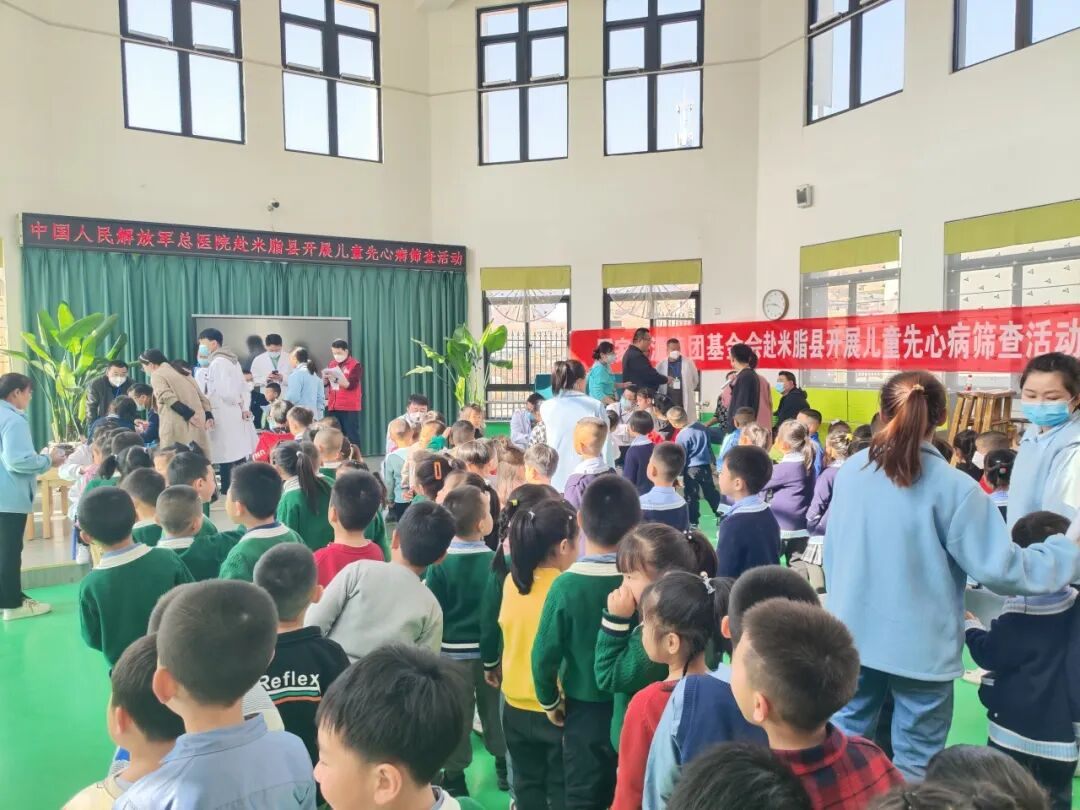
As China’s rural revitalization strategy gained momentum, Heart Action became more closely integrated with the group’s broader assistance efforts. In paired and designated support areas, the program not only covers medical expenses for children in need, but also provides transportation, accommodation and living subsidies for accompanying family members.
“When a child recovers, the whole family can return to a normal life,” said a foundation representative. “Health assistance is not only about treating illness, it also helps prevent families from falling back into poverty.”
Beyond direct treatment, the program also invests in long-term capacity building. In 2019, Heart Action launched a training initiative for primary-level doctors, drawing on resources from the PLA General Hospital and other institutions. Many trained doctors have since become key figures in local screening and referral systems.
Fifteen years of practice have shaped Heart Action into a comprehensive model that combines proactive screening, medical training and professional treatment, supported by cooperation among the foundation, government agencies, hospitals and communities.
For many children, the program marks a new beginning. In Qujing, Yunnan Province, a boy received surgery through the program. When visited years later, he had grown into a healthy young man, standing 1.7 meters tall and starting a new life in Shenzhen.
For families, Heart Action has helped break the cycle in which one serious illness overwhelms an entire household. At Peking University People’s Hospital, the mother of a child with leukemia burst into tears when she received the program’s assistance form. “At that moment, she knew she was not facing this alone,” said Jia Yueping, deputy director of the hospital’s pediatrics department.
At the regional level, the program’s sustained investment is reducing the burden of major childhood diseases and promoting the idea of early screening, early diagnosis and early treatment in remote areas.
Some former beneficiaries have since become participants themselves, returning as volunteers, working in grassroots healthcare, or helping pass on the support they once received.
Over the past fifteen years, Heart Action has invested a total of 730 million yuan (about $102 million) and assisted 37,713 children. Despite corporate restructuring and integration, support for the program has remained steady.
“Doing one thing consistently over many years requires more than resources,” said Jiang Yuanyi, head of the Social Work Department at Peking University People’s Hospital. “It requires a lasting sense of responsibility.”
Today, Heart Action has grown beyond a single charity program. It has become a meaningful part of China’s efforts to advance public health and rural revitalization and its journey of care and hope continues.

