

The mining area of Jungar Banner is lush with greenery in June, while birdsong echoes through the tranquil hills. Standing on the production command platform of Heidaigou Open-Pit Coal Mine operated by CHN Energy Zhunneng Group, one can see layers of green stretching across the undulating landscape and extending toward the horizon. Were it not for the occasional sound of machinery at work, it would be hard to associate this vibrant expanse of woodland with the traditional image of a coal mine shrouded in dust and sand.
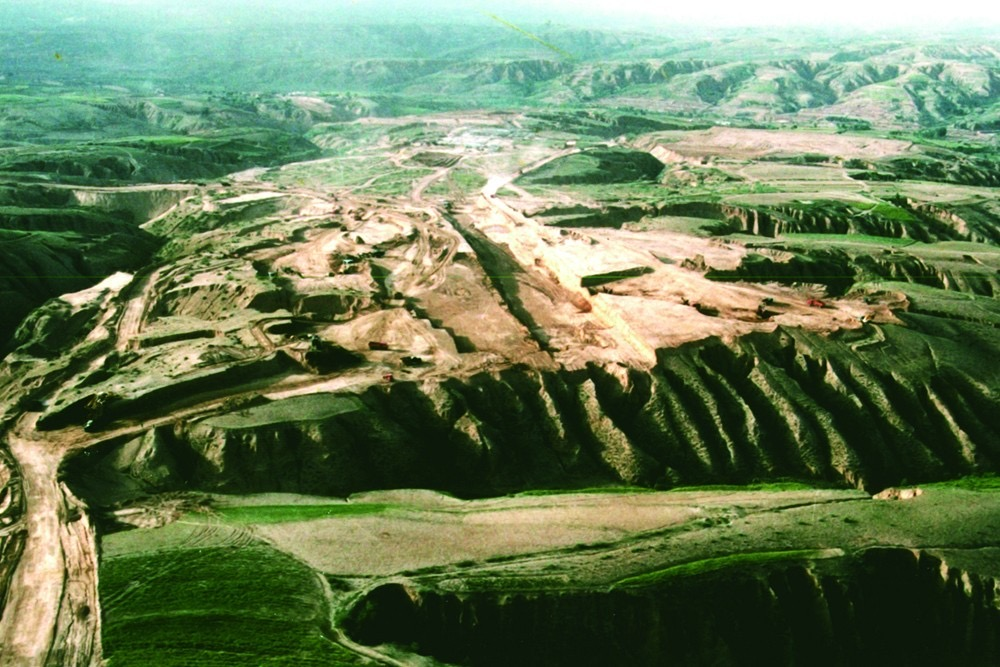
Original topography of the Zhuneng mining area
As World Environment Day 2026 approaches, this land, once deeply scarred by mining activities, is presenting a compelling ecological transformation—turning black coal into fertile soil and barren land into thriving green wealth.
Restoring barren hills with ingenuity
Back in the 1990s, the Jungar mining area was characterized by deep gullies and exposed rock. Local residents often repeated a saying born of hardship: “The wind blows twice a year, and each time it lasts for six months.” At that time, vegetation covered less than 25 percent of the land, while waste dumps formed barren hills constantly swept by blowing sand. Desolation defined the landscape.
Change began with the planting of the first sand willow. Confronted with the area's unique terrain, often described as “seven parts mountains, two parts sand and one part farmland”, Zhunneng Group's technical team abandoned conventional greening methods and developed restoration measures tailored to local conditions. To tackle severe soil erosion, they innovatively designed dish-shaped landforms that retain rainwater instead of draining it away. Acting like giant sponges, these structures capture precious rainfall and have reduced the area's average erosion modulus by 88 percent. For waste dump rehabilitation, strict procedures such as topsoil preservation and loess covering were implemented. Soil layers exceeding two meters in thickness created a solid foundation for vegetation growth atop formerly barren rock.
Decades of persistence have completely reshaped the landscape. Today, the number of plant species in the mining area has grown from just over a dozen to more than 240. Forsythia blooms in spring, alfalfa fields ripple in summer, staghorn sumac paints the hillsides in autumn, and Scots pine stands resilient through winter. The transformation has created a landscape with scenery in all four seasons and flowers blooming throughout three of them. To date, Zhunneng Group has completed ecological restoration and revegetation across more than 100,000 mu (about 6,667 hectares) and planted 76.335 million trees and shrubs. Land reclamation has reached 100 percent, vegetation coverage has exceeded 85 percent, and wildlife including swans, ruddy shelducks and foxes have returned to settle and reproduce. A healthy ecological cycle has taken shape.
Turning carbon reduction into green prosperity
Planting and protecting greenery is only the beginning. The ultimate goal of ecological restoration is to transform environmental advantages into tangible benefits for local communities.
At the mining site, green and low-carbon principles have become deeply embedded in production. The world's first WK-55 permanent magnet direct-drive electric shovel is now in operation. This giant machine saves 800,000 kilowatt-hours of electricity annually and reduces carbon dioxide emissions by 225 tons. At the same time, bulk industrial solid waste is no longer simply stockpiled. New initiatives such as kaolinite rock sorting and rare metal extraction are transforming former waste materials into high-value resources. Over the years, the mining area has maintained an excellent record of zero environmental incidents and zero environmental penalties, while tax savings from environmental incentives have been reinvested into ecological restoration.
Former waste dump sites have now evolved into diversified green industrial complexes. Through an integrated model featuring solar power generation above ground, crop cultivation beneath solar panels and livestock breeding between panel arrays, the land is generating multiple streams of value. Orchards and solar greenhouses now stretch across thousands of mu (hundreds of hectares), producing apples and plums that weigh down the branches. More than 700,000 jin (350 tons) of green fruits and vegetables are supplied annually to employee dining facilities.
The company has established over 10,000 mu (about 667 hectares) of forage grass cultivation and developed a 39,000-mu (about 2,600-hectare) forest and fruit plantation base. Supported by an industrial partnership model involving government, enterprise and local households, new sectors such as ecotourism and environmental education have flourished in surrounding communities, creating local employment opportunities for more than 10,000 people. Ecological resources have been successfully transformed into sources of income, creating a sustainable path where environmental restoration and prosperity advance together.
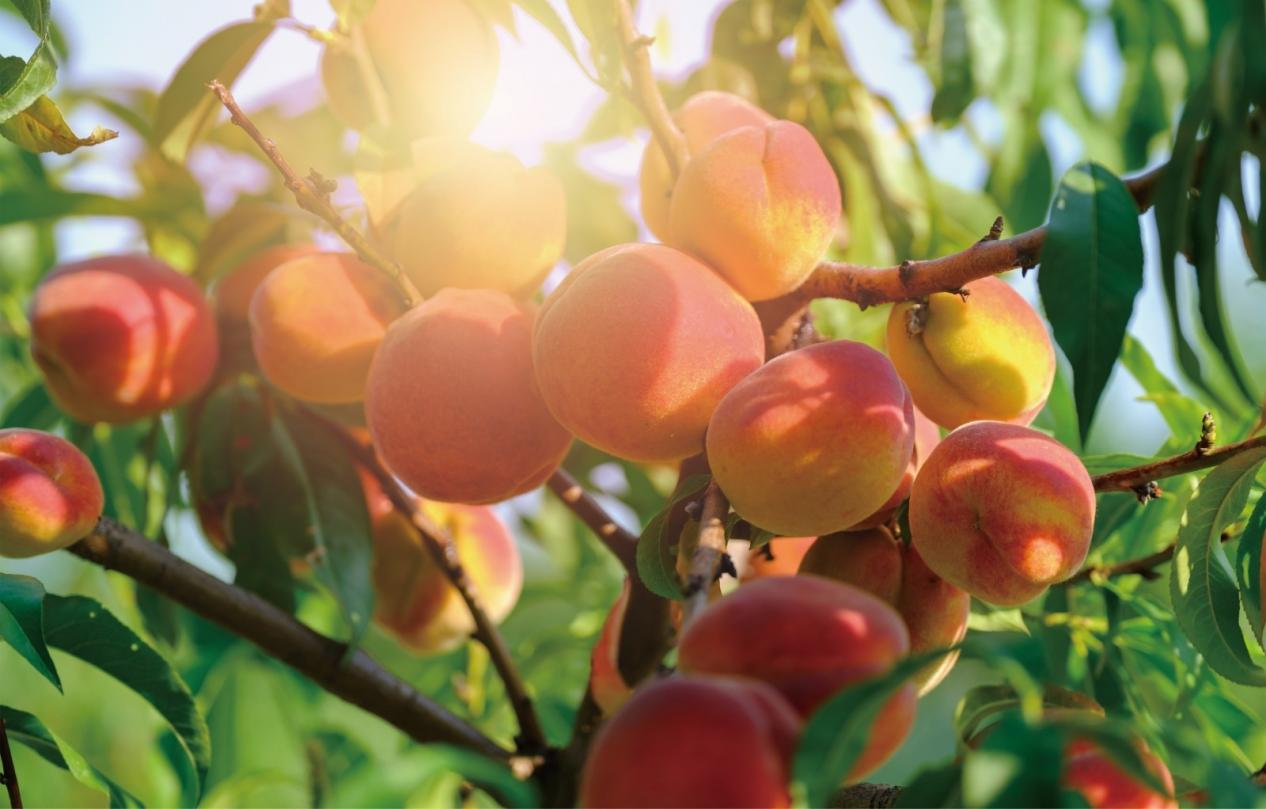
Abundant harvests at the mining area ecological agriculture base
Protecting the Yellow River through ecological restoration
Zhunneng Group's green development efforts extend beyond the boundaries of the mining area and continue toward the Yellow River, China's mother river.
In May 2026, construction officially began on the Yellow River Ecological Corridor Project, which is being fully undertaken by Zhunneng Group. The project marks a new stage of watershed-level ecological governance. Covering a total restoration area of 1,021 hectares, it includes the planting of more than 440,000 suitable trees and shrubs such as Chinese pine and spruce, along with nearly 400,000 square meters of mixed grass seeding. Water and soil conservation facilities, including drainage channels and retaining walls, will also be constructed. Upon completion, the project will create a protective ecological corridor along the Yellow River in Jungar Banner, serving both environmental protection and recreational purposes.
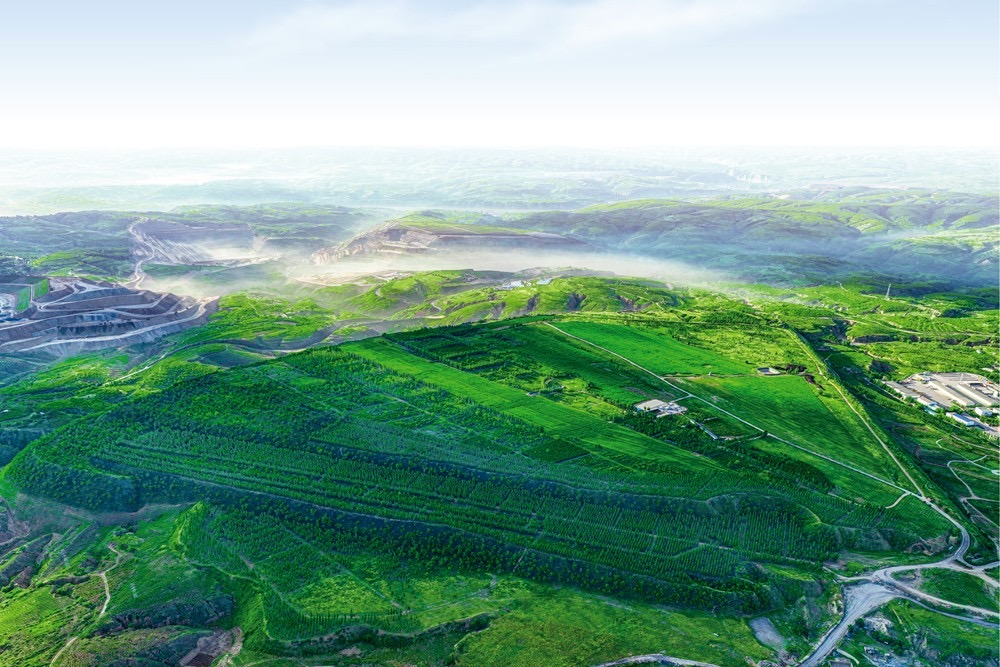
Ecological reclamation area of Zhunneng Group
Nearby, construction has also begun on a 16-megawatt photovoltaic project at the Heidaigou mining area, with all generated electricity to be consumed on-site. In the future, the green electricity produced will be used for water electrolysis to generate green hydrogen and green ammonia, laying the foundation for an integrated solar-hydrogen-ammonia industrial chain.
As the breeze rustles through the leaves across the hills, this once windswept wasteland tells a different story. There are no grand slogans here—only fruit-laden orchards on reclaimed land, wild ducks playing among blooming flowers, and steadily improving lives for local residents. From a single sand willow to thousands of hectares of forest, Zhunneng Group is turning its green transformation strategy into reality through practical action, planting sustainable development firmly into this revitalized and thriving landscape.

